Build for Scale on Day One

Stephen Finn
September 19, 2023
The building or remaking of a Communication Service Provider (CSP) is a tedious journey filled with endless governance and process decisions, not to mention regulatory and business planning hurdles.
With so many steps to consider, a Network Operations Center (NOC) is often an afterthought or left as one of the last few remaining functions to put in place. In a traditional telecom, a NOC is a central part of the operating, administration, and maintenance (OAM) function that manages your network assets and the final task to implement before customer engagement. In today's world of network automation, it is essential to remind ourselves of the function these roles play in managing the customer experience.
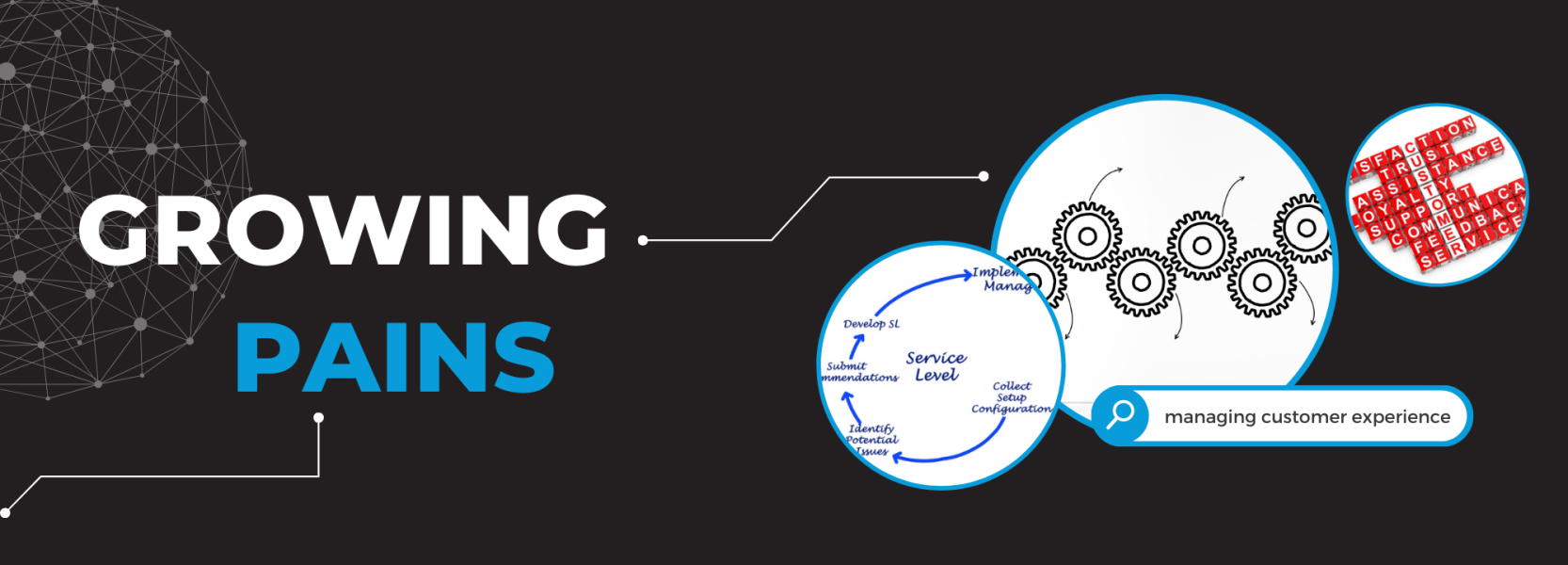
If managing the customer experience is paramount to differentiating your service over the incumbent, why would we leave customer interfacing functions to the end of the planning phase?
Integrating all the functions that surround the customer experience from the beginning ensures that your technology systems and operational workflows keep the customer front and center of your growth initiatives at all times.
Build for Scale
It is helpful to keep the end in mind: your customer, and their experience with your service. Creating service levels is vital at the outset to meet customer expectations as you grow your business an order of magnitude. Without processes, the ability to hit scale is inhibited as both old and new customers become wary of "non-standard" service delivery. At this point your business becomes a victim to its own success.
The age-old saying, “if you build it, they will come,” certainly applies to establishing and growing an innovative CSP. But you must build for scale on day one to be prepared for when they keep coming.
When you build out your operations department, or revisit its structure to prepare for growth, it may be helpful to consider how a craftsperson makes furniture. The craftsperson’s tools is your technology stack, their approach to furniture-making is your workflows, and the craftsperson is your operations team. A single, cohesive flow is needed between all three to make the final product.
When building Communication Service Providers, we often create in silos, based on a checklist of necessary functions and tools instead of how all the processes flow relative to the customer's experience.
Lack of visibility
Even in a small CSP, siloed department mindsets sneak into the company, with little or no workflows. Management lacks visibility because of blurred lines of responsibility. A lack of scalable structure can lead to missed alerts resulting in your customer being disconnected from your service, literally and figuratively. Your customer will inevitably experience a connection problem at some point, even from the most reliable network. Still, you can prevent your customers from feeling discounted by ensuring a responsive customer experience by having workflows work across your technology stack.
Final Thoughts
Defined product service levels and the creation of workflows that hook into your technology stack will grant your team, systems, and supporting service providers the ability to interface as one cohesive flow, leading to a differentiated customer experience.
While there are different approaches to designing or rethinking your operations, three components that tend to be helpful to consider include:
Define your Product Service Levels
Define your workflows and their hooks into your technology stack
Define processes and workflows that are captured in runbooks that will interface with your team and your systems.
Our next topic will outline how the technology stack interfaces with the NOC and other departments.
Sign up to receive more operations insights for communication service providers.
Similar stories
Here’s what we’ve been up to recently.
Get our stories delivered
From us to your inbox monthly.